Does Chipotle Franchise? Why You Can't Buy One (2026)
Chipotle doesn't franchise, and hasn't since 2006. Here's why, what the company says about it, and where to look if you want the closest thing.
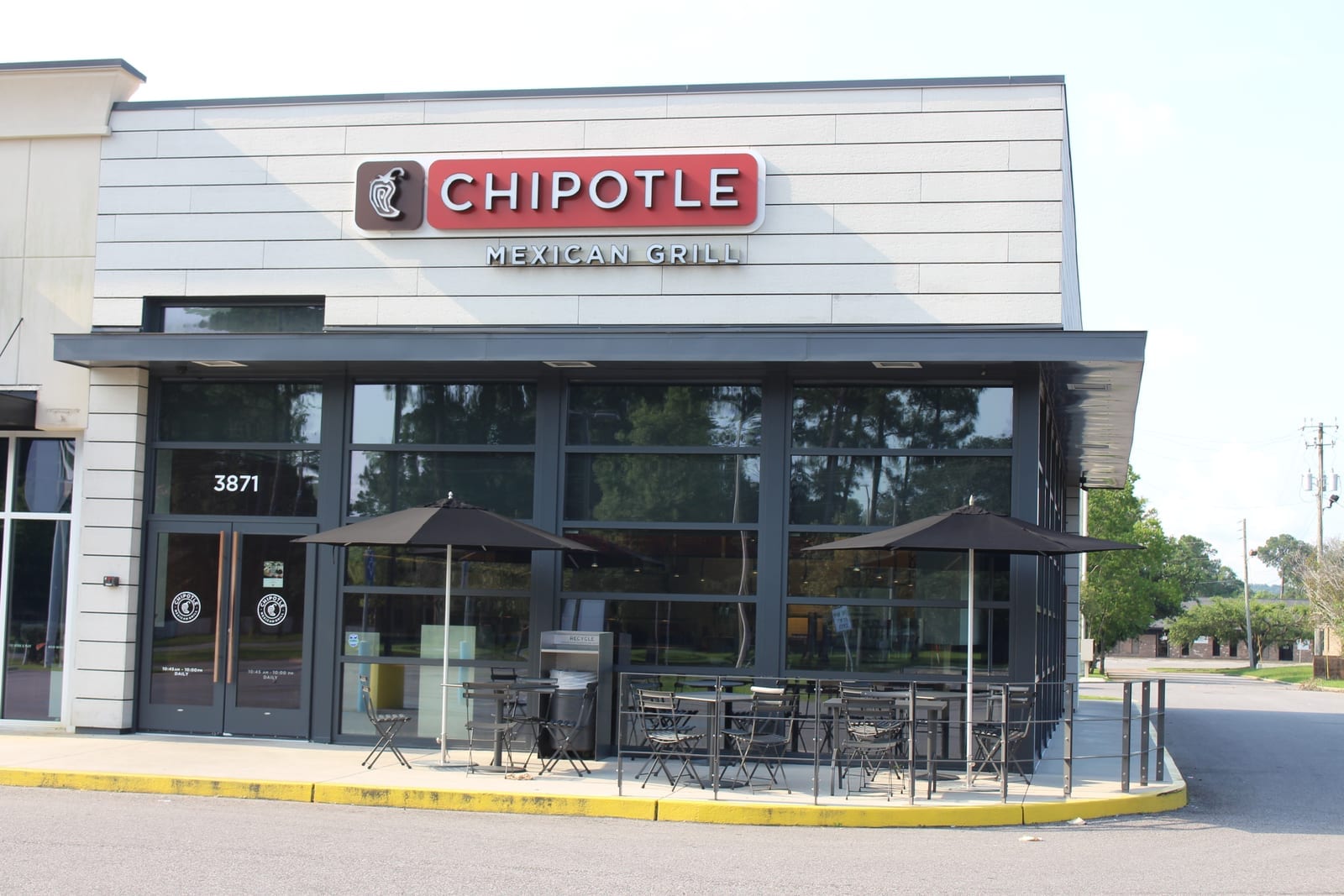
The short answer is no. Chipotle bought back its last franchised restaurants in 2006, and every location in the United States has been company-owned since. If you’ve seen a page quoting “$1.2 million to open a Chipotle” or a specific franchise fee, that number is a guess, not a fact, because Chipotle doesn’t file a Franchise Disclosure Document. No FDD means no Item 5 fee, no Item 7 investment range, nothing to cite.
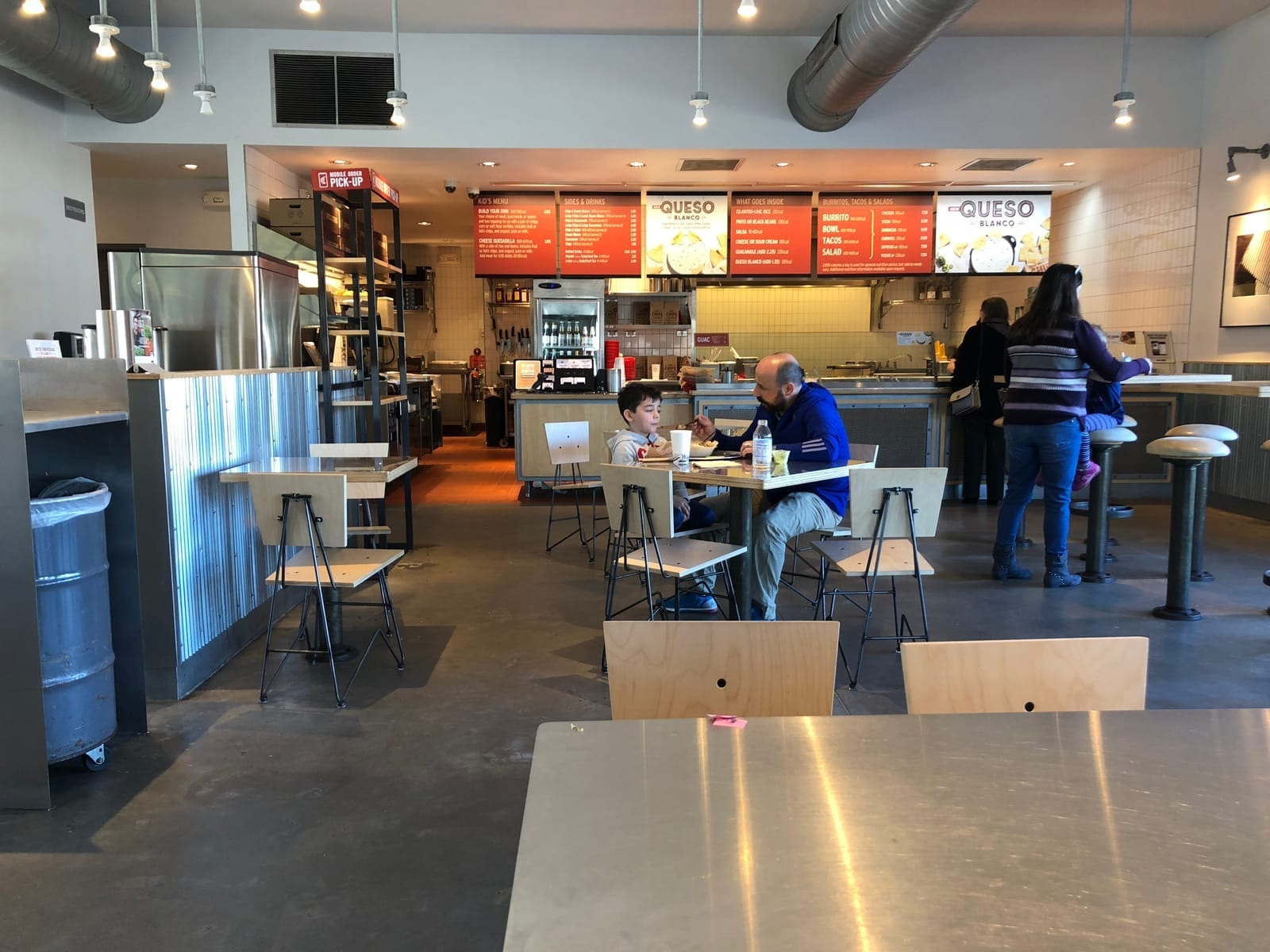
Why Chipotle walked away from franchising
Chipotle’s public position has been consistent for nearly two decades: corporate ownership lets the company enforce the same food-sourcing standards, kitchen procedures, and quality bar at every single restaurant, without a franchisee’s local judgment call introducing variance. It’s the operational backbone of the “Food with Integrity” positioning the company has marketed since the mid-2000s. That’s a deliberate tradeoff. Franchising trades some quality control for faster, franchisee-funded growth. Chipotle chose the opposite: slower, corporately-funded growth with tighter control, and its stock performance since 2006 hasn’t given the company much reason to reconsider.
The origin story is more tangled than “Chipotle never franchised.” Steve Ells opened his first Chipotle in Denver in 1993, and it did have a handful of franchised locations in its early years. McDonald’s became a minority investor in 1998, when Chipotle had 16 restaurants, all in Colorado, and kept increasing its stake over the next several years until it owned roughly 90% of the company by the early 2000s. That capital funded rapid expansion, from 16 restaurants in 1998 to more than 500 by 2005, and it came with McDonald’s own operating discipline: consistency across every location, no franchisee variance to manage. When Chipotle went public on January 26, 2006, opening at $44 a share against a $22 IPO price, McDonald’s sold down its stake through the IPO, a secondary offering that May, and a full exchange offer to its own shareholders that October. Once McDonald’s was out entirely, Chipotle finished buying back the small number of franchised restaurants that remained from its earliest years and has run every location itself since.
McDonald’s divestment is now a well-known case study in corporate strategy: it was shedding non-core concepts (Chipotle alongside Donatos Pizza and Boston Market) to refocus on the core McDonald’s brand, and it sold years before Chipotle’s valuation multiplied many times over as a standalone public company. Whatever McDonald’s gained by refocusing, it’s frequently cited as one of the more expensive strategic exits in modern restaurant history. For Chipotle itself, the lesson it drew was the opposite of “we should have kept franchising”: the company doubled down on the operating model McDonald’s had helped install, corporate-run, tightly standardized, no franchisee layer between headquarters and the kitchen.
What the “estimated cost” articles are actually doing
A number of sites publish a “Chipotle franchise cost” estimate anyway, usually landing somewhere between $500,000 and $2.8 million depending on the source. Those figures are built by analogy: taking investment ranges from comparable fast-casual concepts (similar square footage, similar kitchen equipment needs) and presenting the average as if it were Chipotle’s own disclosed number. It isn’t. There’s no FDD behind it, and no franchisor has confirmed any of those figures. Read them as rough industry benchmarking, not as a real Chipotle number.
If you want the closest thing to owning a Chipotle-style business
There’s no franchise path here, full stop. Two realistic alternatives: buy shares of Chipotle Mexican Grill (ticker CMG) if you want financial exposure to the company’s growth without operating anything, or look at fast-casual Mexican concepts that do franchise, several of which sit in a comparable investment range to what Chipotle’s estimated cost would be.
Two of the closest direct competitors are actually franchised, and their FDD-disclosed numbers give you a real anchor instead of a guess. Moe’s Southwest Grill’s total investment runs roughly $745,000 to $1,819,000 for a traditional location, with a $30,500 franchise fee. Qdoba’s most recently reported FDD figures put its range at roughly $545,500 to $1,294,000 with a $40,000 fee (reduced by $10,000 for honorably discharged veterans), though older filings cited by other aggregators show a somewhat lower range, so confirm the current number directly with the franchisor before budgeting against it. Both brands are meaningfully smaller investments than the high end of the unofficial Chipotle estimates floating around, and both will actually hand you a real, current FDD with real numbers when you ask, which is the whole thing Chipotle can’t offer.

There’s one adjacent path worth knowing about, too: Chipotle occasionally works with landlords and commercial developers on real estate deals for new corporate-owned locations. That’s a landlord relationship, not a franchise, and it doesn’t put you in the kitchen. If owning the kitchen is the actual goal, the QSR brands we’ve costed out all file real FDDs, and Taco Bell is the closest analogue on format and check size. Start with the affordability estimator if you don’t yet know what your capital qualifies for.