Does Krispy Kreme Franchise in the US? Not Right Now (2026)
Krispy Kreme isn't accepting new U.S. franchise applications as of 2026, even though it franchises heavily overseas. Here's the historical cost data and what to watch for.
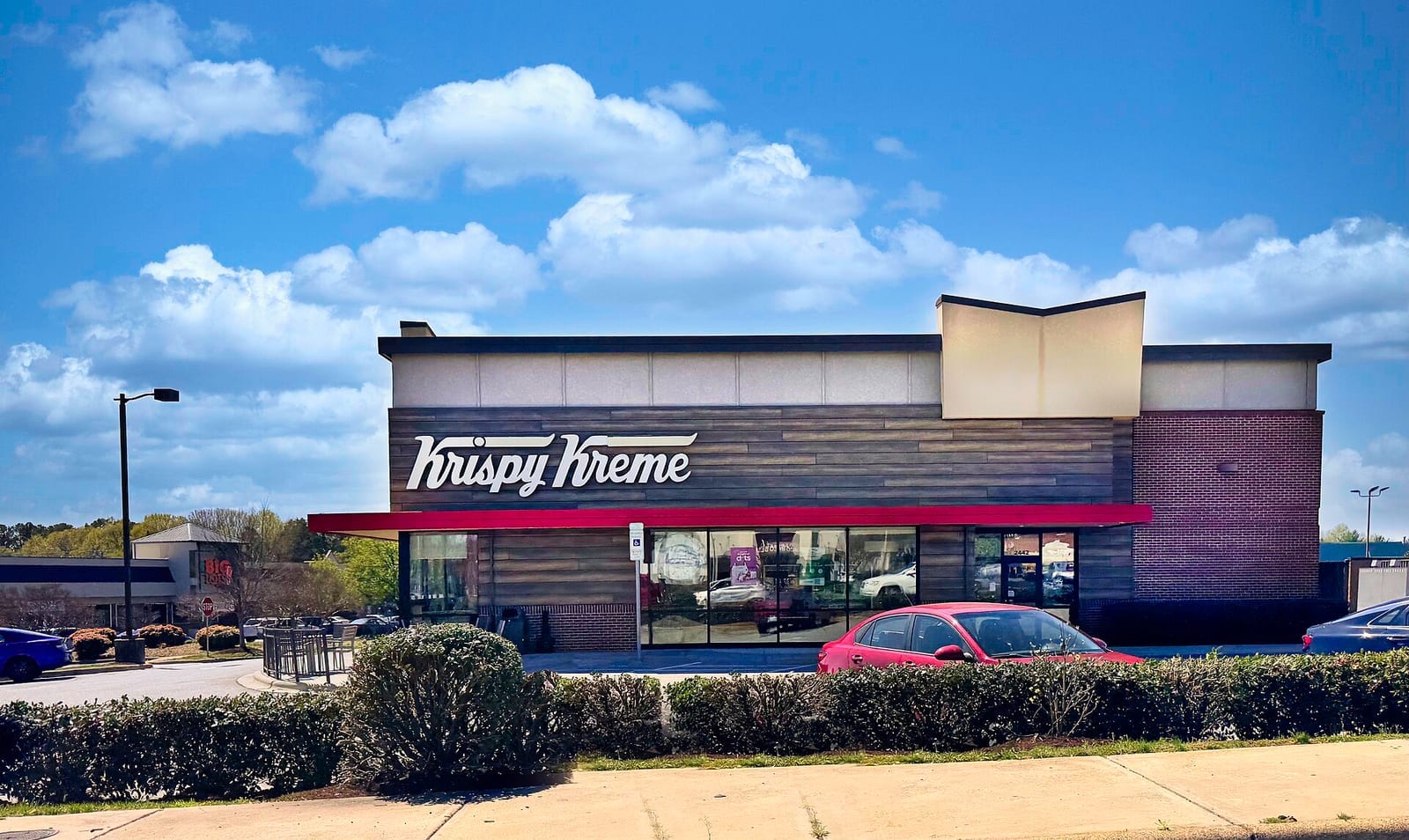
Krispy Kreme’s own FAQ page states plainly that it isn’t currently accepting new U.S. franchise applications. That’s a real, present-tense status, not a permanent no. The company has publicly said it wants franchised sales to grow from around a quarter to roughly half of its systemwide business in the next couple of years, and it’s actively signing new master-franchise partnerships internationally, building on existing relationships in France and South Korea and targeting three to four new countries in 2026.
There’s a financial story underneath that refranchising push worth knowing if you’re trying to gauge how serious it is. Krispy Kreme trades publicly on Nasdaq under DNUT, but it’s majority-controlled by JAB Holding Company, the Reimann family’s Luxembourg-based investment vehicle, which took the brand private in 2016 for roughly $1.35 billion before relisting it in 2021. The stock has lost most of its post-IPO value since, with the company’s market capitalization sitting in the $540-$700 million range in early 2026. Shifting company-owned stores to franchisees and leaning on asset-light international master-franchise deals is a standard playbook for a public company under that kind of pressure: it converts capital-intensive company-operated stores into royalty streams without Krispy Kreme itself funding new buildouts. None of that changes the current U.S. application freeze, but it does explain why the international pipeline is moving while the domestic one is frozen: royalties from a France or South Korea master-franchise deal help the balance sheet without touching the paused U.S. program at all.
The domestic door is closed for now. The international door is wide open, if you’re positioned for a master-franchise-scale international deal, which is a different animal entirely from a single-unit U.S. franchise purchase.
What the last available cost data showed
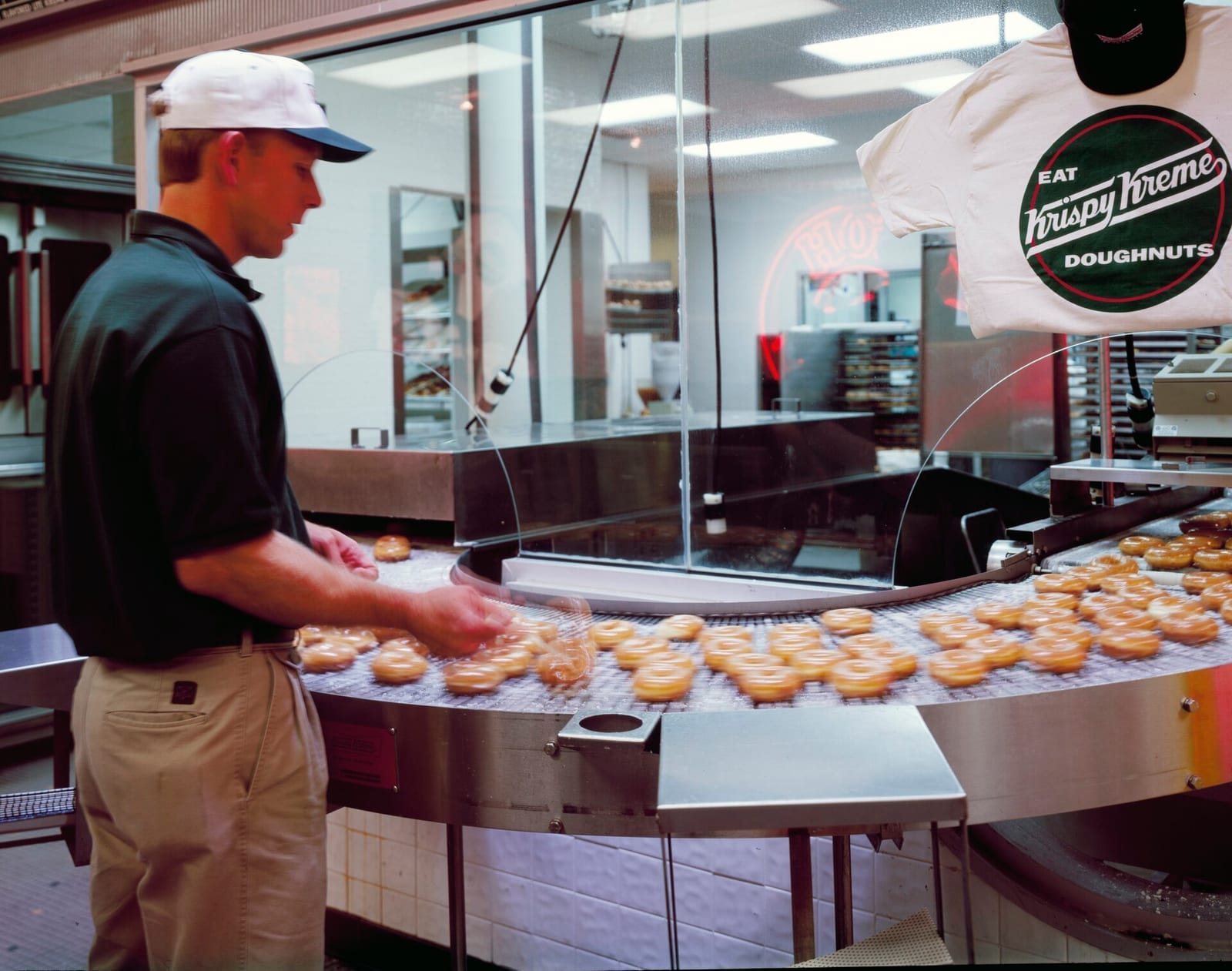
The most recent U.S. FDD data found in researching this page was dated 2022, and it described a genuinely tiered system with real cost variation by format:
- Fresh Shop (a smaller-footprint format): $440,500-$1,200,000
- Tunnel Oven Shop: $558,500-$1,500,000
- Factory Store / Hot Light Theater (the full doughnut-making theater experience): $1,287,500-$2,750,000
Across all formats, the franchise fee ranged $12,500-$25,000, with a 5.5% royalty and 3.5% advertising contribution when the brand was actively franchising domestically.
Franchise-cost aggregators citing FDD-derived data put the blended total-investment span wider still, and here it’s worth being straight about a real inconsistency in the public data rather than picking a number and moving on. One aggregator (VettedBiz) cites a blended Item 7 range of $622,500 to $4,330,000 with a 5% royalty and 2% ad fund. Another (PeerSense), citing what it describes as current FDD data, breaks the priciest format down as a “Hot Light Theater Shop” at $2,015,000 to $4,330,000, alongside a Fresh Shop at $440,500-$1,200,000 (matching the figure above) and a Kiosk format at $275,000-$1,000,000 not mentioned in the 2022 breakdown at all. The $4,330,000 high-end figure shows up consistently across sources, which is reassuring. The low end doesn’t reconcile cleanly: $622,500 doesn’t match the bottom of any single format tier in either breakdown, and the $2,750,000 top-end figure for the Factory Store/Hot Light Theater format in the 2022 data is meaningfully lower than the $4,330,000 other sources attach to what looks like the same format.
The honest read: this is scattered, aggregator-sourced secondary data reconstructed from different FDD years and possibly different exhibit tables, not something confirmed against Krispy Kreme’s actual current FDD document, which isn’t freely public and wasn’t accessible for this article. Rather than force a single clean number, the safer move for anyone actually re-engaging with this brand once the U.S. program reopens is to treat $1.2 million to $2.75 million as the realistic range for a mid-tier format and up to roughly $4.3 million as the outer edge for the top-tier format, then get the real Item 7 table from Krispy Kreme directly. Don’t trust any site, including aggregator pages, presenting a single blended figure as precise until you’ve seen the current document yourself.
Why this matters if you’re researching Krispy Kreme specifically
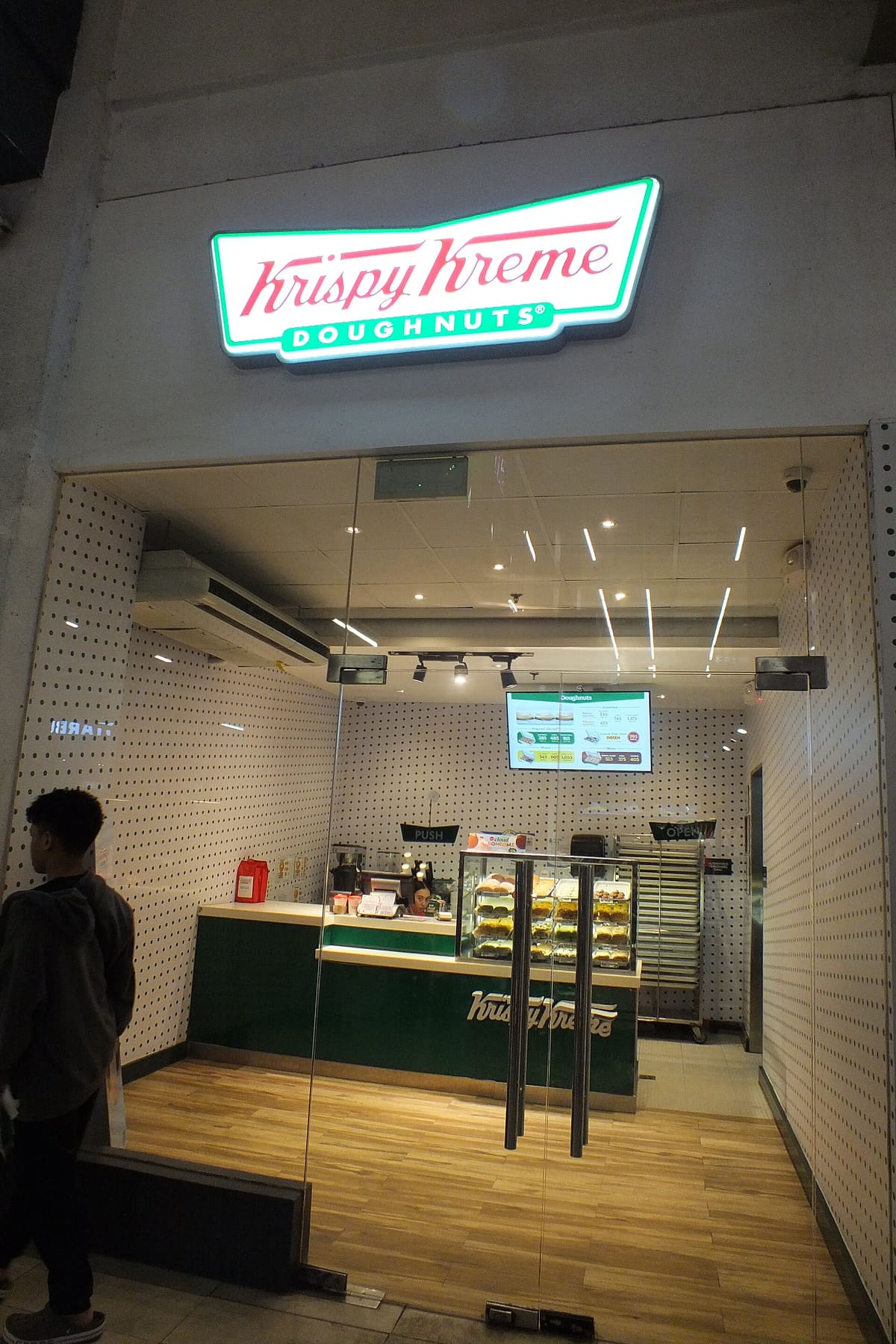
Cost data from a discontinued or paused domestic program isn’t a live quote. If you find a site presenting these figures as a current opportunity without noting the application freeze, that’s a stale page, not a current answer. If Krispy Kreme is genuinely the brand you want, the realistic move is watching the company’s own franchising page for a reopening announcement. A few franchise directories also offer notification signups for exactly this kind of situation, worth setting up if you’re willing to wait on one specific brand. Otherwise, other coffee-and-dessert brands are accepting U.S. applications today. Smoothie King is the one in that category we’ve costed out in full, and Cinnabon and Baskin-Robbins are both open to applicants if you want to go straight to the franchisor. Worth checking what you’d actually qualify for in the affordability estimator before you pick a brand to chase.